Ransomware
An attacker who can reach the backups deletes them first. A copy that cannot be altered or deleted, held under separate credentials, is the difference between a bad week and the end of the business.
Backups are not the product; recovery is. Telnetrix designs, supplies and runs backup and disaster recovery for businesses that cannot lose a day: Veeam software, Wasabi cloud storage and purpose-built on-premises storage, delivered as a service, rented monthly or bought outright. Every design is built to be restored, and tested to prove it.
Four ways a business loses its data, and what each one requires of a backup. A backup that answers only one of them is not a plan.
An attacker who can reach the backups deletes them first. A copy that cannot be altered or deleted, held under separate credentials, is the difference between a bad week and the end of the business.
A failed array, a flooded server room, a power event that outlasts the UPS. A backup in the same room as the servers is lost along with the room.
Most data loss is a deleted folder, an overwritten database, a migration that went wrong. The recovery most often needed is a single file from last Tuesday.
HIPAA, PCI DSS, CMMC, customer questionnaires and cyber insurance renewals all ask the same thing: where is the copy, how often is it tested, and how long would a restore take. The answers are evidence, not intentions.
Every design is checked against these before anything is bought, whichever products and buying model it uses.
Six services that combine into one design. Each has its own page.
Veeam for VMs, physical servers, Microsoft 365 and workstations, licensed by the workload each month as a service or sold as licenses you own, designed and proven by Telnetrix.
Veeam backup, managed as a service or supplied as licenses you own.
S3-compatible object storage with object lock immutability and no egress or API fees, resold by Telnetrix as the off-site immutable copy, billed monthly by the terabyte.
Wasabi cloud storage: the immutable off-site copy with no egress fees.
Dedicated backup appliances built and sized by Telnetrix, with a hardened repository for immutability, for fast local restores, rented or bought, in your office or a data center cabinet.
On-premises backup storage, built for fast restores.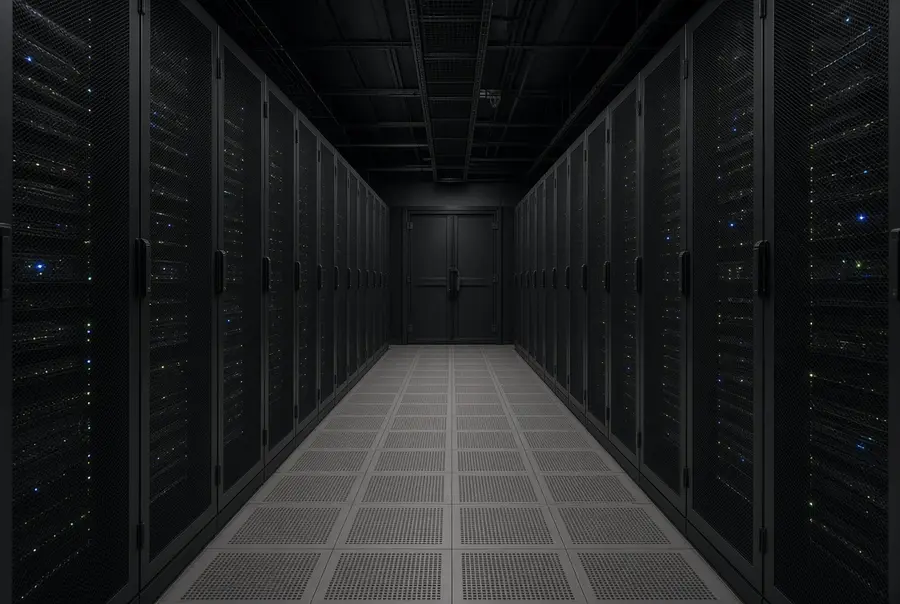
Recovery objectives per system, a recovery site in a Telnetrix data center cabinet or the cloud, a written runbook, and rehearsed exercises with recorded times.
Disaster recovery: the plan, the recovery site and the test.Exchange Online, OneDrive, SharePoint and Teams backed up with Veeam to independent storage, with retention you set, immutability, and restores of an item, a mailbox or a site.
Microsoft 365 backup: the data is your responsibility, not Microsoft's.
Proxmox Backup Server on a Telnetrix-built appliance for Proxmox VE clusters: deduplicated, encrypted, verified backups with fast restores and a synchronized copy on a second, off-site server.
Proxmox Backup Server: deduplicated, verified backups for Proxmox VE clusters.The same design can be paid for as a monthly service, a rental, or a purchase, and the parts can be mixed: a rented appliance with licenses you own, or a managed service on hardware you bought.
Telnetrix runs it: the software, the storage, the monitoring, the restores and the tests, for a monthly amount per protected workload and per terabyte stored. Veeam is licensed through its service-provider program by what you used last month; Wasabi capacity is billed through us monthly.
The storage appliance and the licensing on a monthly term, supplied, supported and replaced at refresh by Telnetrix, with you or us operating it. It is an operating expense, billed monthly rather than by the hour as public cloud is.
Veeam licenses and a built storage appliance you own, with Telnetrix support, design and the option of managed operation on top. Capital expense, yours to depreciate.
Every model is quoted for your environment from the workloads, the data, the retention and the recovery objectives. We do not publish list prices, because the design decides the cost.
A backup and recovery quote has five parts, each priced from your environment. Each part appears on the quote separately, so nothing on the invoice is a surprise.
The questions an auditor, an insurer or a ransomware group would ask. If three or more of the answers are no, your backups are a risk to the business.
Ask us to check themFive steps, with the restore proven before go-live and rehearsed after it.
An off-site copy or a recovery site can live in a cabinet in any of our colocation markets, and every managed hosting tier includes backups designed to the same 3-2-1-1-0 rule: a local copy and an off-site immutable copy, with restores verified on a schedule. If your servers are in an office room today, read moving from the server closet to a data center.
We list every system, where its data lives, how much it changes a day and who depends on it, and we read your most recent backup reports to see what actually ran, not what was meant to run.
A recovery point and recovery time per system, then the copies, media, immutability, retention and DR site that meet them, with the buying model chosen for each part.
Software deployed, storage installed or provisioned, jobs configured, credentials separated, encryption on, reporting routed to people who read it.
We prove the restores before go-live: a file, a whole server and, where disaster recovery is in scope, the systems running at the recovery site. The times go in the runbook.
Monitoring, a monthly report, automated verification, and rehearsed restores at the agreed interval, with the runbook kept current as systems change.
What the terms used in backup and disaster recovery mean.
Something not covered here? Call 817-207-8911.
Backup is a copy of the data. Disaster recovery is the plan, the place and the practice that turn the copy back into running systems within an agreed time. Telnetrix designs both: the copies against the 3-2-1-1-0 rule, and the recovery against a written recovery time and recovery point per system.
Three copies of the data, on two different kinds of media, one copy off-site, one copy immutable or offline, and zero errors on the last verified restore. It is the standard Telnetrix designs every backup to.
A copy that cannot be altered or deleted for its retention period, even by an administrator: object lock on Wasabi cloud storage, or a hardened repository on an on-premises appliance. It is the copy that survives ransomware.
Yes. Telnetrix is a Veeam reseller for licenses you own, and a Veeam managed service provider for backup delivered as a service, licensed by the workload each month through Veeam's service-provider program.
Wasabi is S3-compatible cloud object storage with no egress or API request fees and object lock for immutability, which makes it a good off-site, immutable copy that costs nothing extra to restore from or test against. Telnetrix resells it and bills capacity monthly.
Yes. Telnetrix builds dedicated on-premises storage appliances, rented or bought, for fast local restores, and pairs them with an off-site immutable copy so the on-premises appliance is never the only copy.
Automated verification runs on a schedule. Whole-server restores and disaster recovery exercises are rehearsed at the intervals agreed in the design, typically quarterly for restores, with the times recorded as evidence.
Yes. A storage appliance in a Telnetrix colocation cabinet in another market gives an off-site copy on hardware you control, and the same cabinet can host the systems if the primary site is lost.
Yes. Mailboxes, OneDrive, SharePoint and Teams are backed up with Veeam to storage Microsoft does not control, with retention set by your policy rather than Microsoft's defaults.
Per environment, from the number of protected workloads, the data stored, the retention and the recovery objectives, in one of three models: as a service, rental or purchase. Telnetrix does not publish list prices because the design decides the cost.
Yes. Veeam supports Proxmox VE as a hypervisor alongside VMware vSphere and Microsoft Hyper-V, and Proxmox Backup Server is available as a purpose-built alternative; Telnetrix designs with either or both.
A per-workload, portable license for virtual machines, physical servers, workstations and cloud instances, valid wherever they run, so the count moves with the environment rather than with the hardware. Microsoft 365 backup is licensed separately, per user.
Wasabi encrypts data at rest and in flight, offers object lock immutability, and publishes eleven nines of durability; Telnetrix adds separate credentials, encryption before upload and a tested restore.
As long as the regulation or contract that applies to the data requires, which Telnetrix sets per system in the design; most businesses keep daily copies for weeks, monthly copies for a year and some records for longer.
A backup is a stored copy restored on demand; a replica is a second, ready copy of a system at another site that can take over quickly. Tight recovery times use replicas, everything else uses backups, and Telnetrix designs both.
Tell us what you run, where the copies are today and what you could not afford to lose. We will come back with a design and a quote, and any questions we need answered first.
Phone
817-207-8911