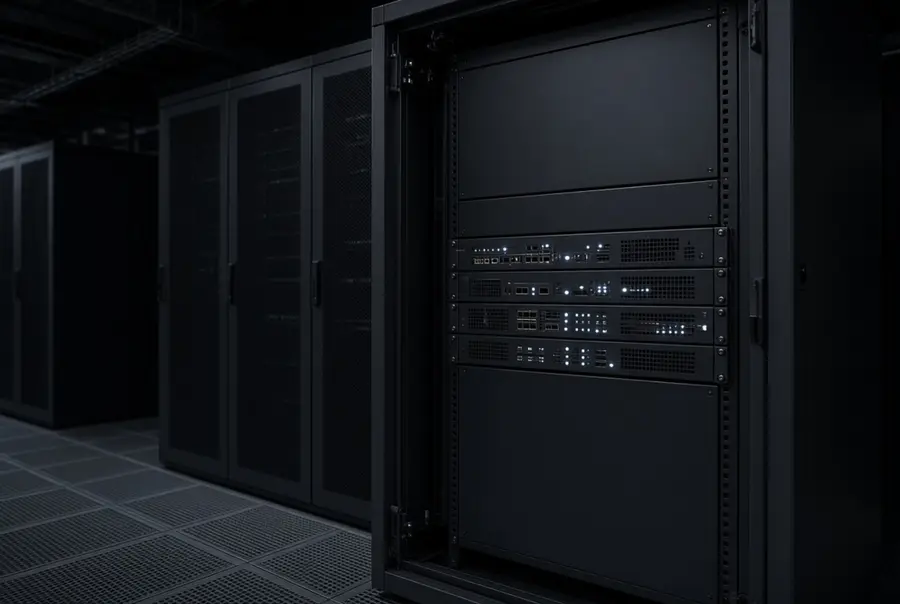
Partial rack
A single server or a short stack in a shared cabinet we manage. It suits a production workload that needs only a few rack units.
- Per-U, quarter or half cabinet
- Shared A and B power
- Remote hands around the clock, included
From a few rack units to a dedicated cage, in audited facilities on carrier-neutral, multi-homed networks. Telnetrix specifies, builds, moves and looks after every one, and has been in business since 1997.
Four sizes of colocation, from a single rack unit to a private cage, in the same facilities and on the same network. There is no minimum, so you can start with what you run today.
A single server or a short stack in a shared cabinet we manage. It suits a production workload that needs only a few rack units.
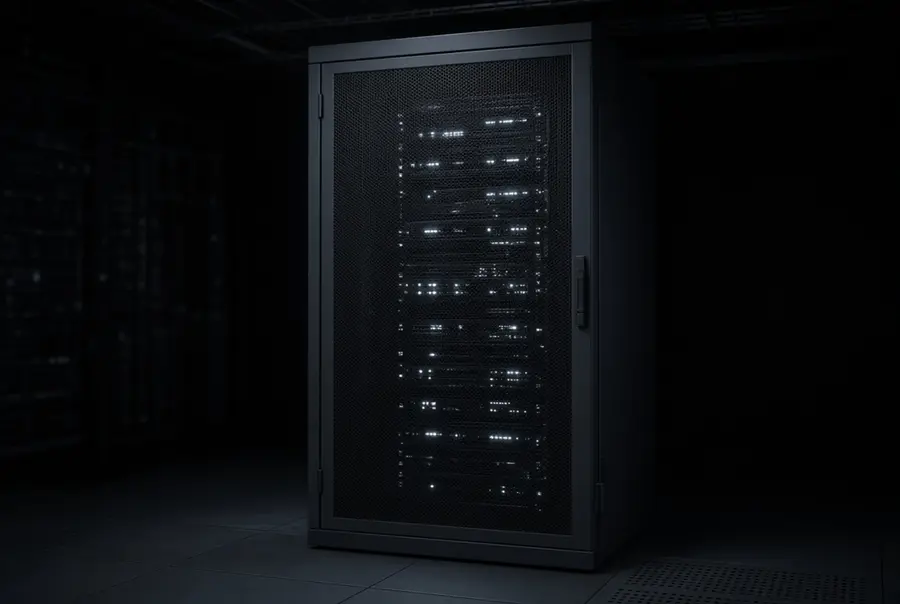
A locked cabinet of your own with dedicated circuits, your own patching and room to grow a cabinet at a time.
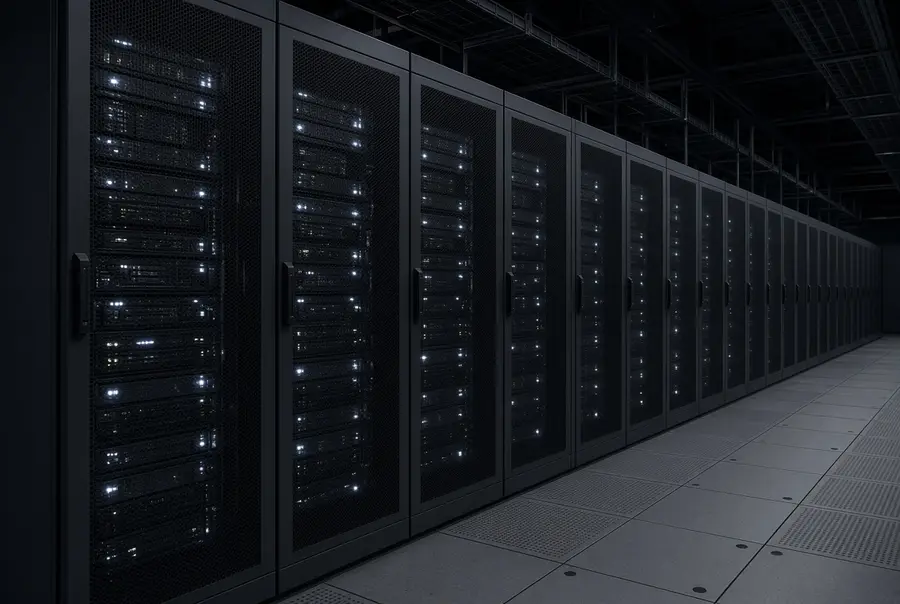
Contiguous cabinets with aisle containment and structured cabling between them, for clusters and storage that belong together.
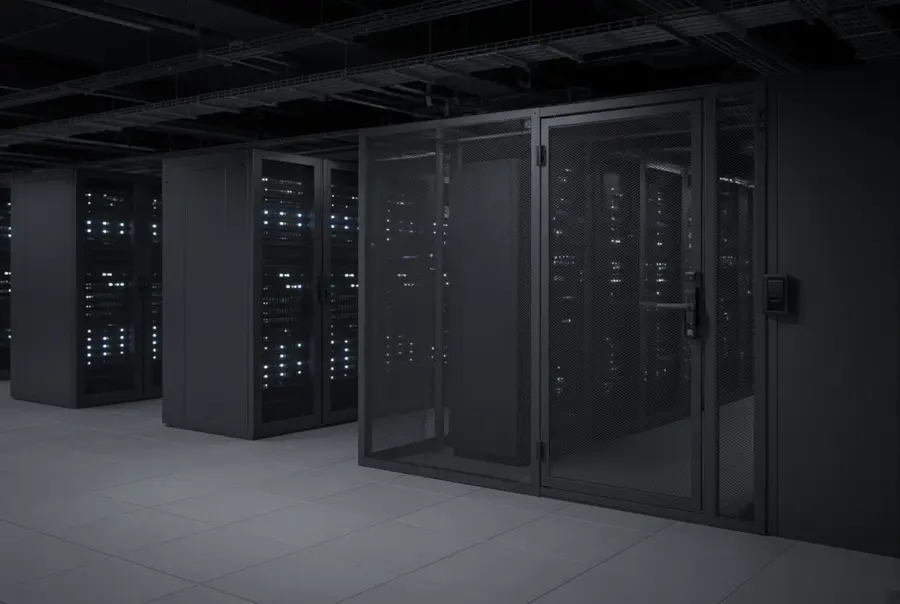
A locked mesh cage or a private suite with its own access list, power design and cooling, built to your specification.
As you need more space, you can move up from one size to the next. How each size is priced.
For workloads that never stop, the cloud bill may have stopped making sense. For servers in an office, the room itself may have become the risk. Each calls for a different move.
Find out which cloud workloads cost less on your own hardware in a data center, what each side of the comparison includes, and how Telnetrix runs the move.
Cloud repatriation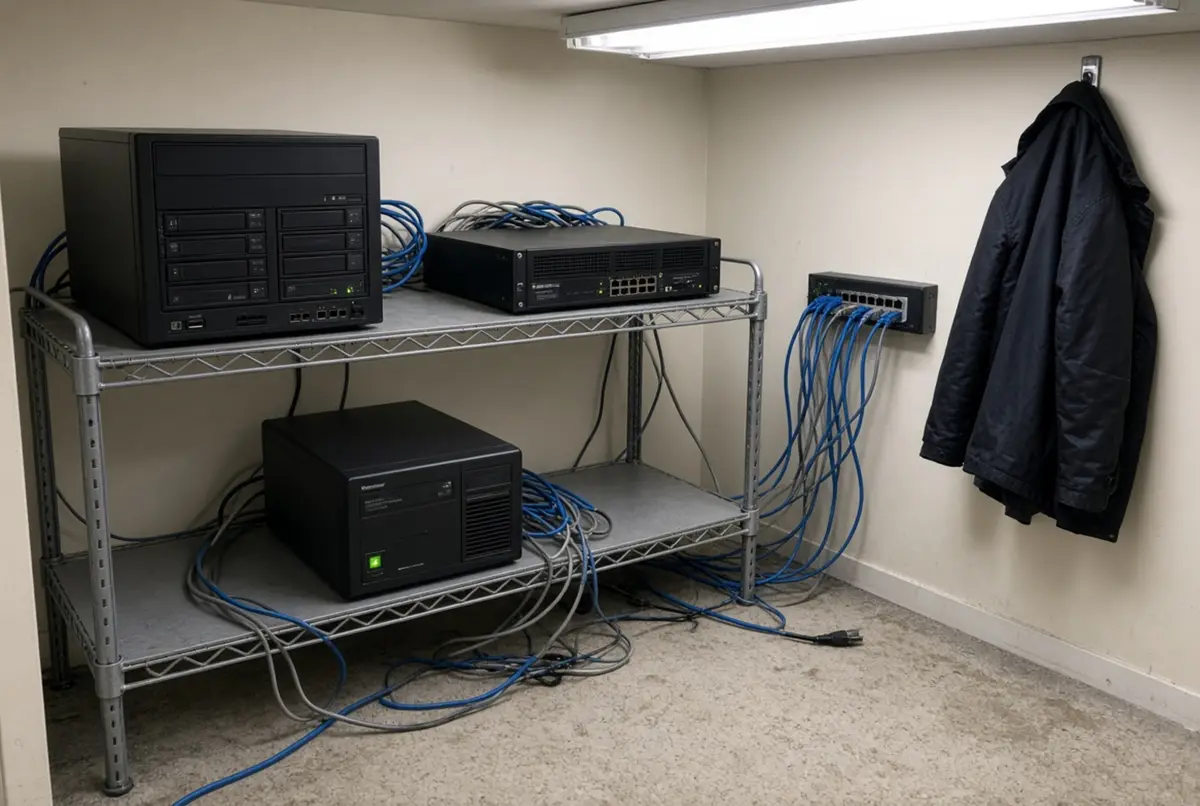
Find out what an office server room cannot provide, why businesses move out of one, ten questions to ask about your own room, and how Telnetrix runs the move.
Moving out of an office server roomCarrier-neutral facilities in the metros below, each independently audited and run to the same standards. Telnetrix holds the contracts, the access lists and the documentation, so you deal with one firm wherever the equipment sits.
See all markets for the facilities in each metro, or the overviews for United States and Europe.
Markets are listed by metro area, and facility addresses are given to customers under contract. Facility details are as of November 2026.
We design the network with the footprint, not after it. Every deployment starts with two carriers, two routers and two power feeds, and anything beyond that, such as a third carrier, a wavelength or a private line, is added to suit your design.
Two or more carriers behind two edge routers, announcing your ASN and address space or ours, so if a carrier fails, traffic moves to the others and your services stay up.
Blended or per-carrier transit at a committed rate, billed flat rather than at the 95th percentile, and sized to the traffic you actually carry.
Fiber and copper to carriers, partners and other customers in the meet-me room, ordered and documented by us.
Point-to-point circuits, wavelengths, MPLS and SD-WAN between your sites, offices and clouds.
Private connections to Amazon Web Services, Microsoft Azure, Google Cloud and Oracle Cloud where the facility offers them, without crossing the public internet.
Dual power, dual uplinks and dual routers, with the failover tested before cut-over and again on a schedule.
Each carrier peers with both edge routers over eBGP, the routers share routing state over iBGP, and every cabinet connects to both routers. If a carrier, a router, a circuit or a power feed fails, traffic takes another path and your services stay up.
We place customers only in facilities that meet these standards and are audited against them.
A and B feeds to every cabinet, UPS and generators at N+1 or better, up to 50 kW per cabinet air-cooled and more with liquid cooling.
Hot and cold aisle separation, N+1 cooling plant and containment on request.
Staffed around the clock, mantrap entry, biometric readers, camera retention and escorted visitors.
Early-smoke detection with pre-action or clean-agent suppression.
The facilities we place customers in are audited to SOC 1, SOC 2 and ISO 27001. Sites attested to PCI DSS, HITRUST and ISO 22301 are available for workloads that need them, as are sites supporting NIST 800-53 physical controls, FISMA, ITAR and CJIS requirements.
Attestations as of November 2026.
The building provides the space, power and security. Everything inside the cabinet, and the network that reaches it, is looked after by Telnetrix. Off-site copies and recovery sites are part of our backup and disaster recovery service.
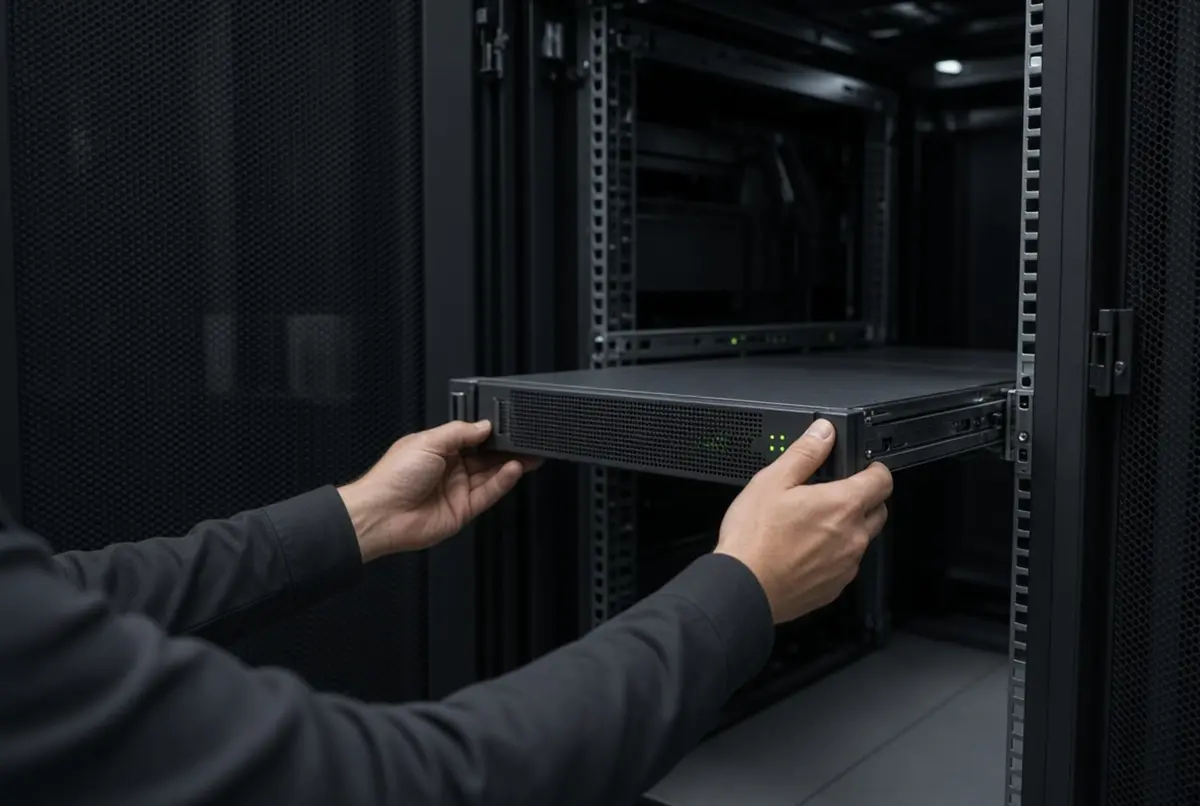
What the facility, Telnetrix and you each look after, area by area. The building, power and cooling need nothing from you.
| Area | The facility | Telnetrix | You |
|---|---|---|---|
| Building, power and cooling | Provides and maintains the hall, A and B feeds, UPS, generators and cooling under its uptime SLA | Specifies the power allocation, monitors power use and temperature, and deals with the facility on your behalf | Nothing |
| Physical security and access | Mantrap, biometrics, staff around the clock, camera retention | Holds the access list, adds and removes names, escorts and arranges visits | Tells us who may enter |
| Cabinet, cabling and hardware | The cabinet position, circuits and cross-connect path | Racks, cables, labels and documents the equipment, replaces failed parts and supplies spares | Owns the hardware, or rents it from us |
| Network | The meet-me room and carrier presence | Transit, BGP, firewalls, private WAN, cloud on-ramps, monitoring | Your IP addressing policy and which systems may connect to which |
| Operating systems and applications | Nothing | Hypervisor, patching, backups and monitoring where contracted | Your applications and data, or contract us for the layer beneath them |
| Remote hands | Nothing | Around the clock, included: reboots, swaps, cable moves, console access | Ask |
A colocation quote has five parts. Each is based on your footprint and design, and none carries a hidden charge.
Hardware, licensing and management are quoted separately, and shown bought outright or supplied monthly. Worked comparisons against cloud, with every figure shown, are on the cloud repatriation page.
Choose the footprint, power, bandwidth and hardware model, and tell us what is moving and where. We will come back with a priced footprint and any questions we need answered before we quote.
Equipment ships to the facility through us, only the people you name can reach it, and you can visit it by arrangement.
Equipment ships to the facility's receiving dock addressed to your cabinet with a reference we give you. We are notified on arrival, sign for it, and rack it in the next scheduled window or sooner by arrangement.
Each cabinet or cage has a named access list we hold. Names are added or removed on your written instruction, and every entry is logged by the facility.
You can visit your equipment. Visits are booked through us, you are escorted to your cabinet, and the facility records the visit. Tours for a prospective customer are arranged the same way.
When equipment leaves, we unrack, label and ship it, or wipe it, dispose of it and give you a certificate of destruction, and the cabinet is handed back clean.
Five steps, in order, with nothing ordered until the design is agreed.
We inventory what you run, what it draws and what it talks to. The footprint and the network design come from that, not from a price list.
Cabinet layout, power, cabling and the BGP and WAN topology are drawn and agreed before anything is ordered.
Cabinets, circuits and cross-connects are installed, labeled and documented. Failover is tested while nothing depends on it.
Equipment moves in a planned window. The network is switched to the new site as part of the move, and a rollback plan is ready.
From then on, the team that built it provides monitoring, patching, backups and remote hands.
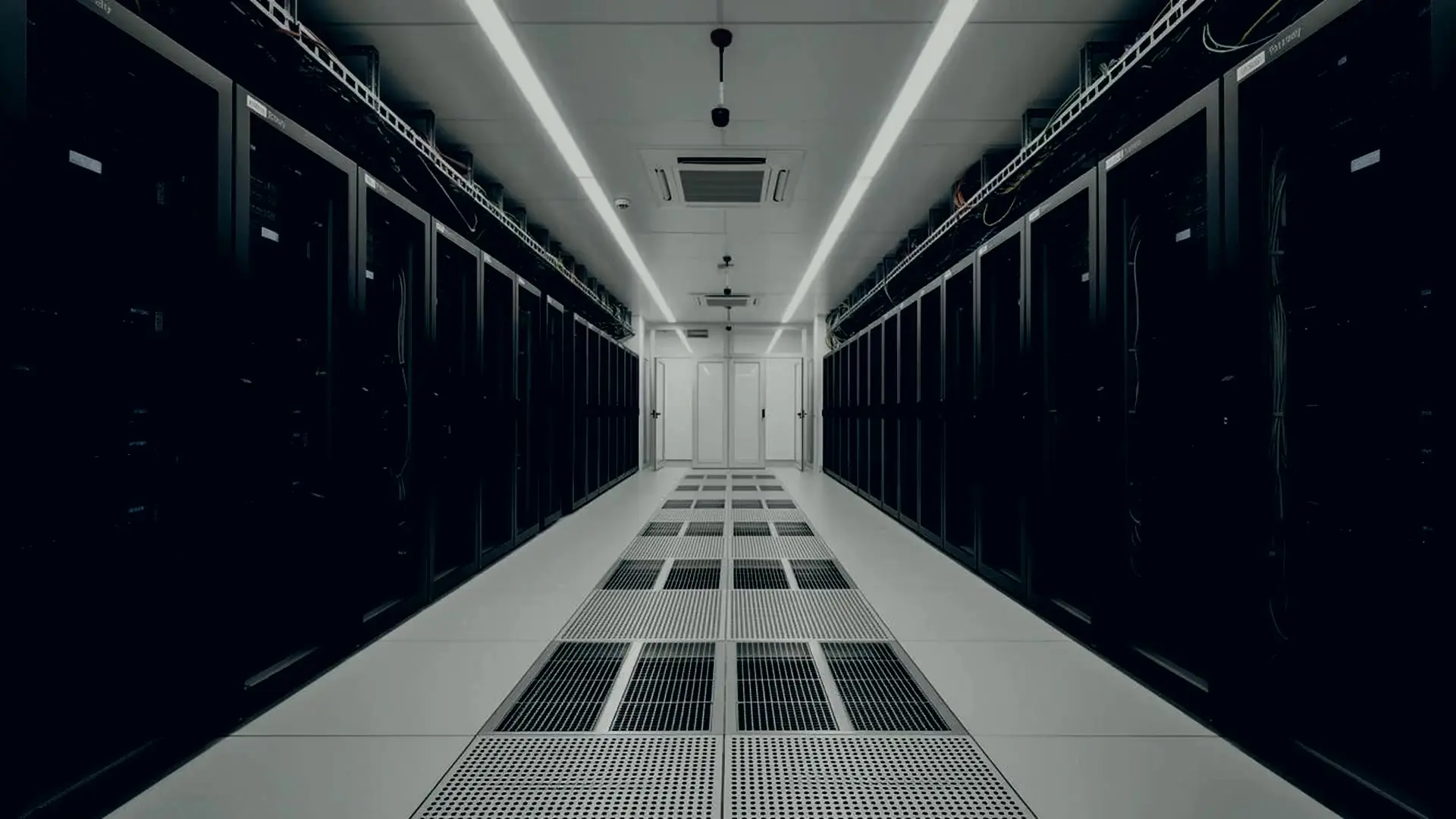
Closed cabinets, raised floors, overhead cabling and contained aisles: the kind of hall your equipment runs in.
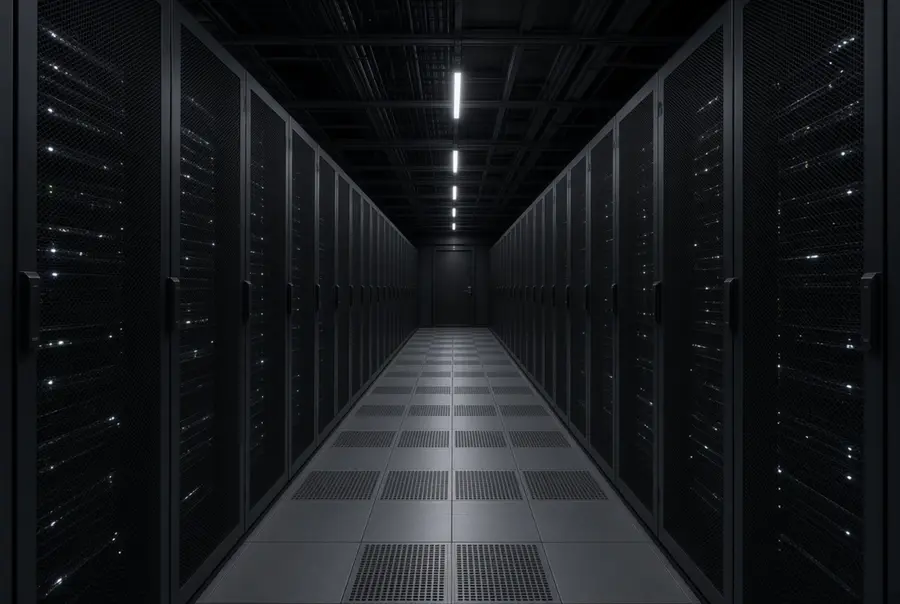
A cold aisle of closed cabinets
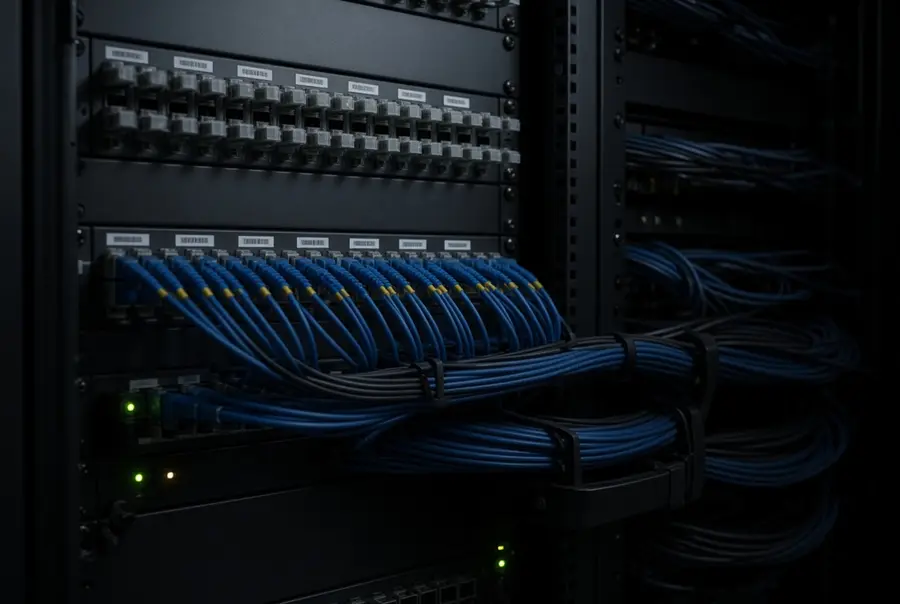
Cross-connect panels in a meet-me room
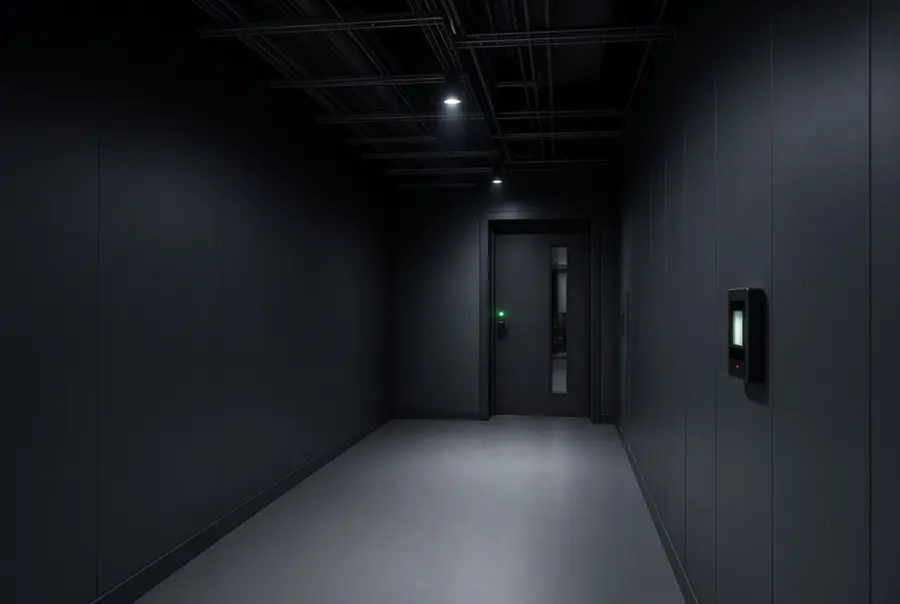
A secure entry with a badge reader
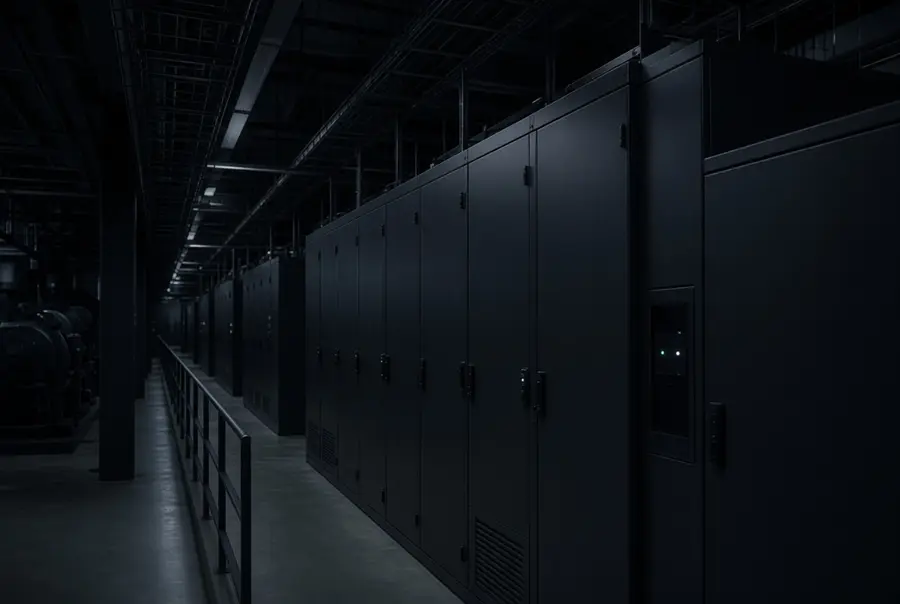
A power gallery behind the data hall
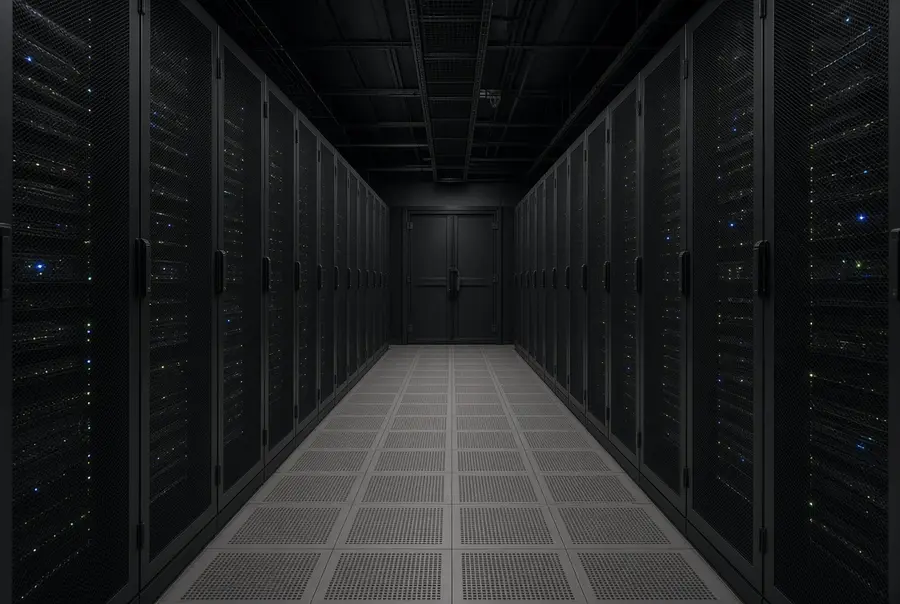
A contained aisle behind its own doors
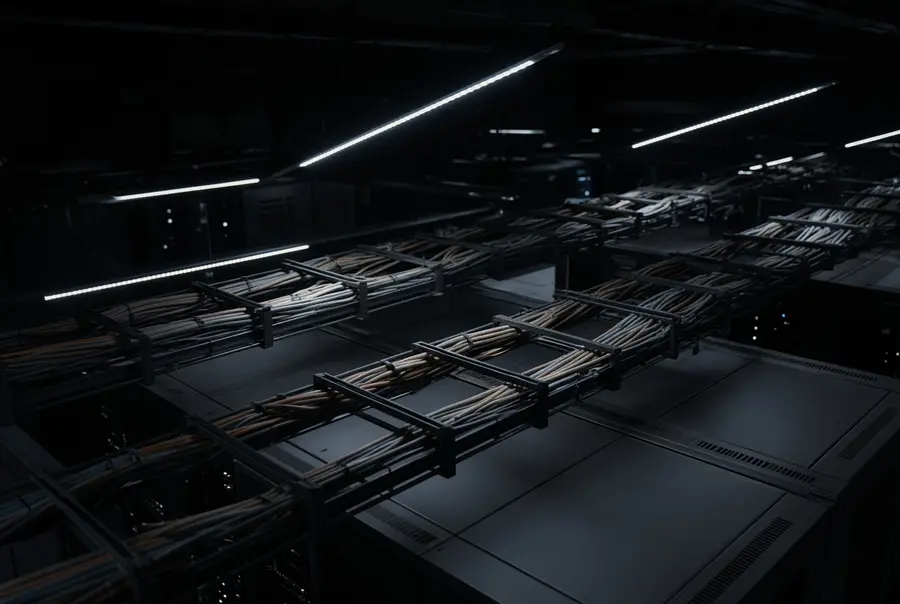
Ladder rack carrying structured cabling overhead
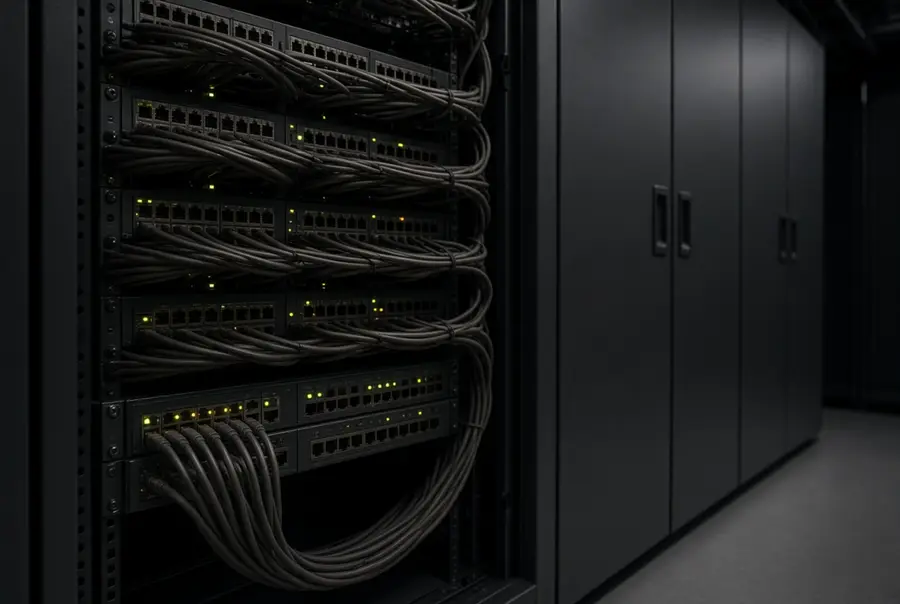
Switches and structured cabling at the rack
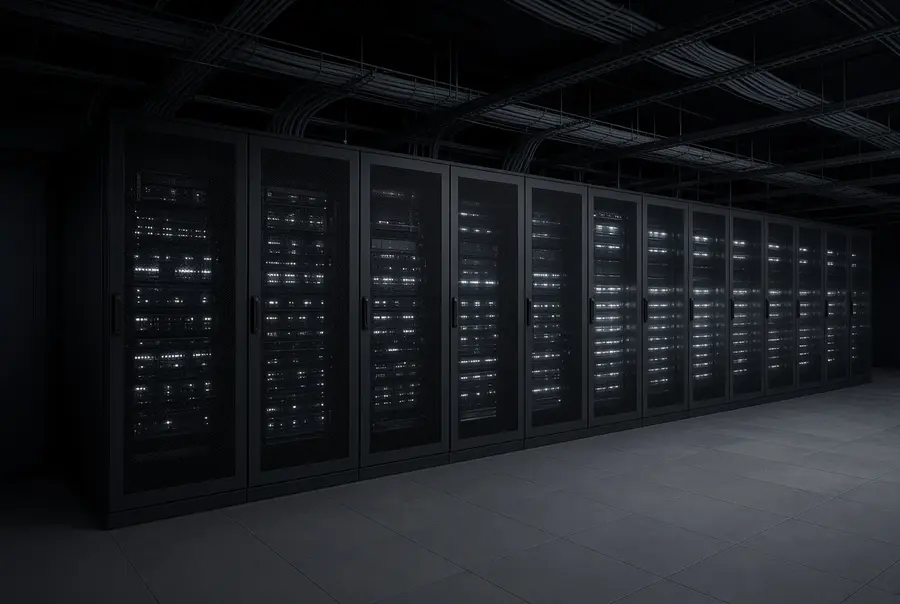
A row of cabinets, head on
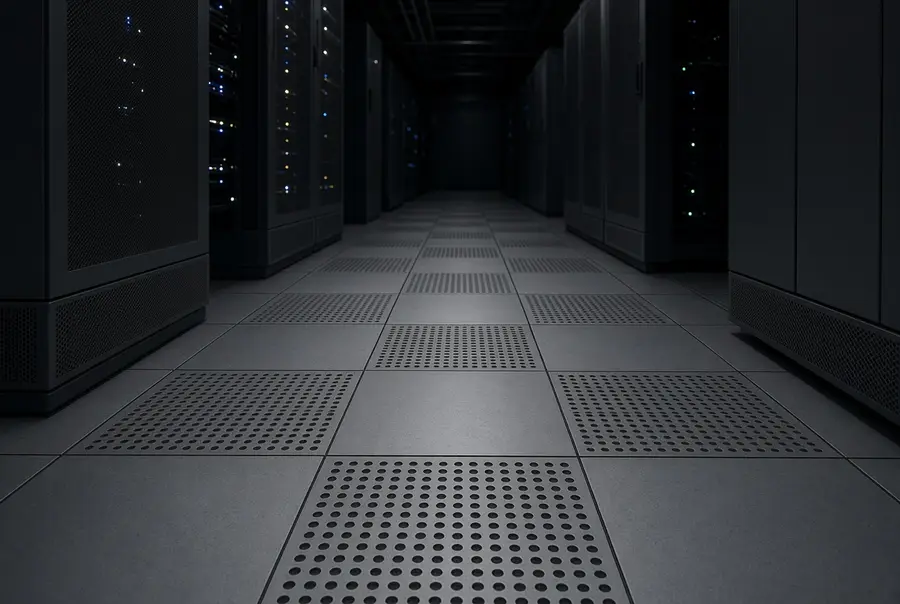
Perforated tiles in the raised floor
Common colocation terms and what they mean.
Something not covered here? Call 817-207-8911.
Colocation is renting space, power and connectivity in a data center for servers you own or rent, so they run in an audited building with redundant power and cooling instead of an office room or by the hour in a cloud.
A quote has five parts: space, by rack unit or cabinet; power, as an allocation with use above it metered at the facility's utility rate; connectivity, at a committed flat rate plus cross-connects; a one-time setup; and remote hands, which is included. Hardware and management are quoted separately.
In colocation you own or rent the hardware and pay a fixed monthly amount for the cabinet, power and connectivity; in the cloud you rent capacity by the hour. Steady workloads cost less in colocation, bursty ones cost less in the cloud, and the two connect over private on-ramps.
Yes. Telnetrix offers partial-rack colocation from a single rack unit, with shared A and B power and remote hands, and the footprint can grow to a full cabinet, a row or a private cage as you need more space.
Yes. Telnetrix designs and operates multi-homed BGP with your own ASN and address space, or provides addressing, across two or more carriers behind dual edge routers.
Telnetrix places customers in audited, carrier-neutral facilities in more than twenty markets across the United States, Canada and Europe, including Dallas–Fort Worth, Denver, Northern Virginia, Atlanta, Chicago, New York–New Jersey, Silicon Valley, Los Angeles, Seattle, Toronto and London, and manages every site from one point of contact.
The facilities Telnetrix places customers in are audited to SOC 1 and SOC 2 Type II and ISO 27001. Sites attested to PCI DSS, HITRUST and ISO 22301, and sites supporting NIST 800-53, FISMA, ITAR and CJIS requirements, are available for workloads that need them.
Yes. Telnetrix plans and carries out migrations and relocations between facilities, including inventory, cabling, transport, re-racking and cut-over, with the network switched to the new facility as part of the move.
Yes. Remote hands and smart hands are available around the clock, every day, and are included in the colocation fee rather than billed by the hour.
Every cabinet is fed from A and B circuits backed by UPS and generators, so a single feed, UPS or utility failure does not take the cabinet down. Capacity and metering are specified per cabinet during design.
Where the facility offers cloud on-ramps, Telnetrix provisions private connections to Amazon Web Services, Microsoft Azure, Google Cloud and Oracle Cloud from your cabinet or cage, alongside carrier cross-connects and private WAN links.
Every cabinet is fed from A and B circuits, and a utility failure is carried by UPS until the generators take the load, with UPS and generators at N+1 or better, so equipment on both circuits keeps running.
Yes. Visits are booked through Telnetrix, you are escorted to your cabinet, and the facility logs the visit. Tours for prospective customers are arranged the same way.
It ships to the facility's receiving dock with a reference Telnetrix gives you, Telnetrix signs for it, racks and cables it in the next window, and sends you the documentation. Moves from another facility or an office are run as a planned migration.
Transit is sold at a committed rate and billed flat, not at the 95th percentile, so a busy month costs the same as a quiet one. Cross-connects are a fixed monthly amount each.
Our articles cover what leaving the cloud costs, what an office server room puts at risk, and how a move into a data center runs. All insights.
Tell us what you run, where it is now and where it needs to be. We will come back with the footprint that fits, the network it needs and what the move involves.
Phone
817-207-8911